

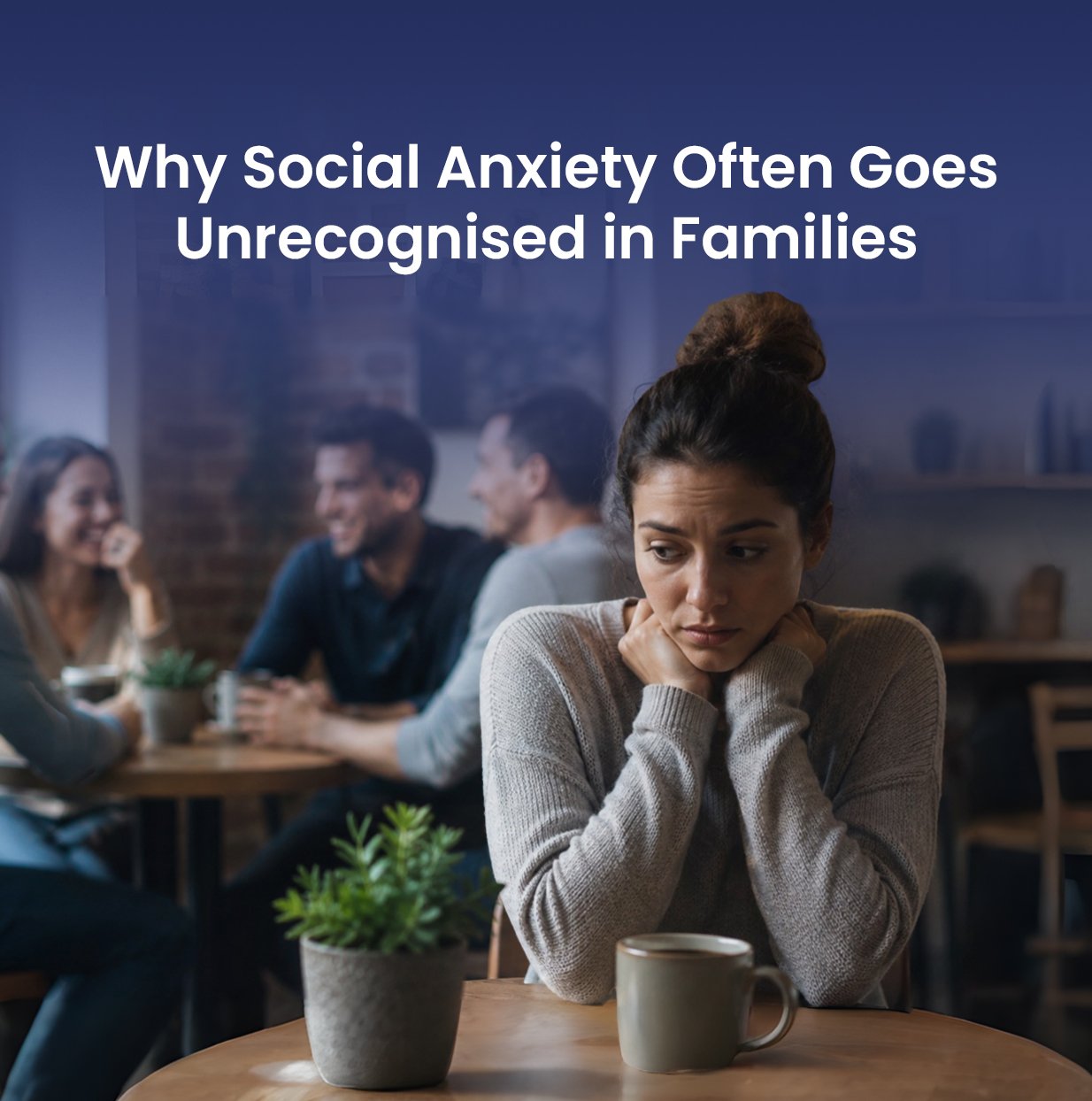
Many people assume that someone who avoids social gatherings is simply shy, quiet, or reserved. In reality, this behaviour may be a sign of social anxiety disorder, a mental health condition that often goes unnoticed within families. Because the symptoms can appear subtle, loved ones may misunderstand them as personality traits instead of recognising that the person is struggling with overwhelming fear and anxiety.
This lack of awareness can delay support and treatment, making it more difficult for individuals to cope with everyday life. Seeking online psychology counselling can help identify these signs early and provide the right guidance for both individuals and their families.
Understanding Social Anxiety Disorder
Social anxiety disorder, also known as social phobia, is more than feeling nervous before speaking in public or meeting new people. While it is normal to experience occasional anxiety in social situations, people with social anxiety disorder experience intense fear of being judged, embarrassed, or negatively evaluated by others.
This fear can affect daily activities such as attending school, going to work, participating in family functions, or even having simple conversations. Over time, individuals may begin avoiding situations that trigger their anxiety, leading to isolation and emotional distress.
Why Families Often Miss the Signs
One of the biggest reasons social anxiety goes unrecognised is that families may mistake it for shyness. They may believe that the person is naturally introverted or simply needs more confidence. Comments like “They’ve always been quiet” or “They’ll grow out of it” are common, but they can prevent people from receiving the support they need.
In many households, mental health is not openly discussed. As a result, emotional struggles are often overlooked until they begin affecting education, work, or relationships.
Some individuals also become skilled at hiding their anxiety. They may avoid eye contact, decline invitations, or remain silent in conversations without expressing how distressed they actually feel. Since they rarely talk about their fears, family members may not realise the emotional burden they carry every day.
Common Symptoms to Watch For
Recognising the symptoms early can make a significant difference. Social anxiety disorder often includes both physical and emotional symptoms.
Physical symptoms may include:
- Rapid heartbeat
- Sweating
- Trembling
- Nausea
- Feeling lightheaded
Behavioural and emotional signs may include:
- Fear of meeting new people
- Constant worry about embarrassment
- Avoiding social situations
- Fear of being the centre of attention
- Overthinking conversations after they happen
If these symptoms continue for a long time and interfere with daily life, professional support should be considered.
What Causes Social Anxiety?
There is no single cause of social anxiety disorder. Researchers believe it develops due to a combination of biological and environmental factors.
Genetics may increase a person’s likelihood of developing anxiety disorders. Brain structures, particularly the amygdala, which controls fear responses, may also play a role in heightened anxiety.
Life experiences can contribute as well. Bullying, family conflicts, emotional trauma, criticism, or embarrassing experiences during childhood may increase the risk. Even growing up with overly protective or controlling parenting styles can sometimes affect a child’s confidence in social situations.
The Impact on Everyday Life
Without treatment, social anxiety can affect many areas of life. Students may avoid participating in class despite knowing the answers. Adults may decline promotions or job opportunities because they fear presentations or interviews. Relationships may become difficult because the individual avoids meeting new people or expressing their feelings.
Over time, untreated social anxiety can contribute to loneliness, low self-esteem, depression, and unhealthy coping behaviours. This is why recognising the condition early is so important.
How Professional Support Can Help
The good news is that social anxiety disorder is highly treatable. Mental health professionals use evidence-based approaches that help individuals gradually build confidence and reduce anxiety.
One of the most effective treatments is Cognitive Behavioural Therapy (CBT), which helps people identify negative thought patterns and replace them with healthier ways of thinking. Exposure therapy gradually introduces feared social situations in a safe and supportive way, helping reduce anxiety over time. In some cases, medication may also be recommended based on individual needs.
Today, many people prefer consulting a best psychologist in Ernakulam or connecting with the best psychologist in Kochi through virtual sessions, making mental health support more accessible and comfortable from home.
Final Thoughts
Social anxiety is not a sign of weakness, poor social skills, or a lack of confidence. It is a recognised mental health condition that deserves understanding and proper care. Families play an important role in recognising early warning signs and creating a supportive environment where individuals feel safe discussing their struggles.
Instead of dismissing social withdrawal as “just shyness,” listening with empathy and encouraging professional help can give them hope and a chance to live happily. Early intervention not only improves confidence but also helps individuals build healthier relationships, pursue opportunities, and enjoy a better quality of life.