

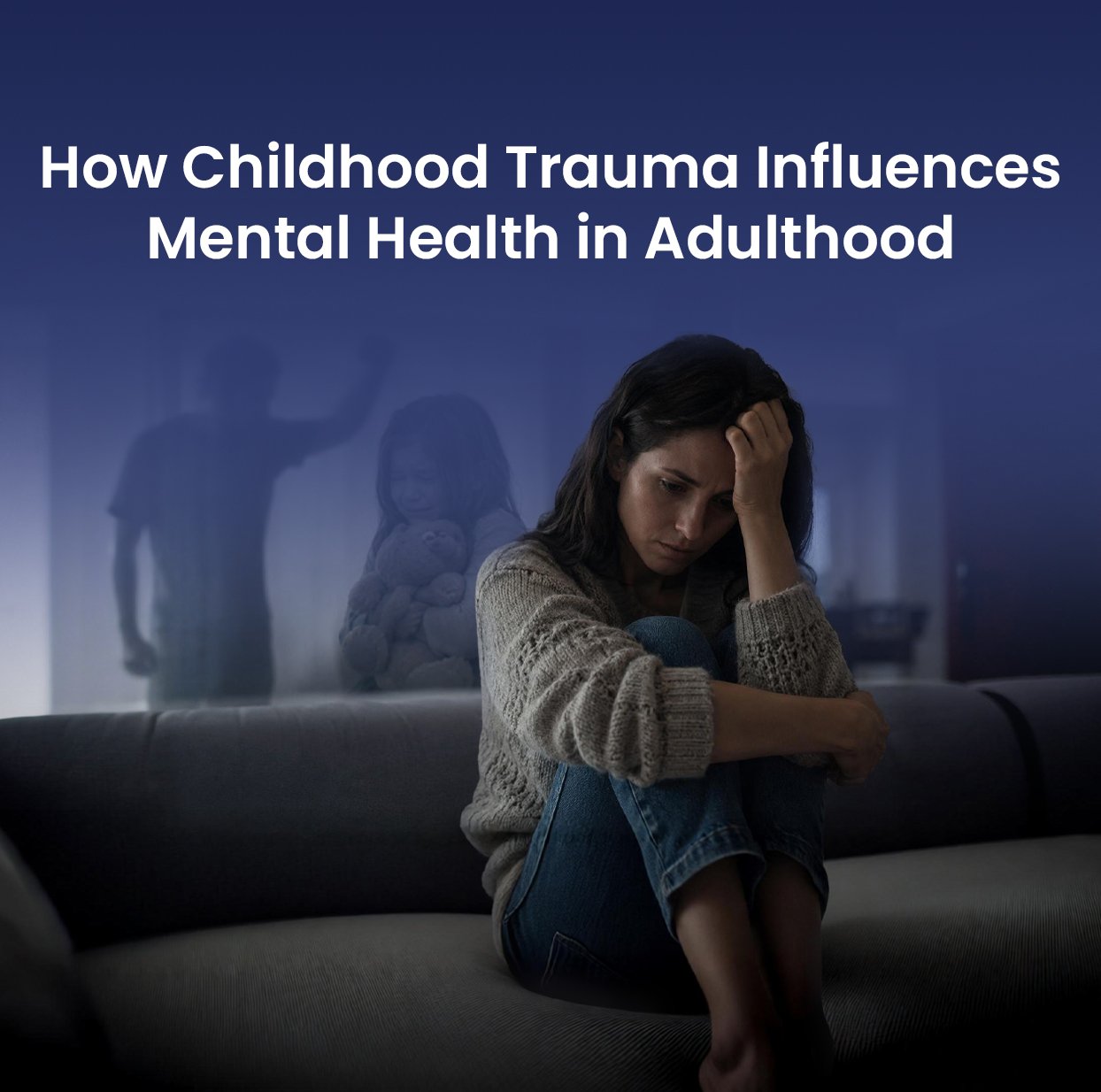
Childhood is meant to be the most tender chapter of life, a time filled with laughter, curiosity, carefree adventures, and the comfort of feeling safe and loved. It is a time when children should be free to dream, explore, and grow without fear. But for some, this beautiful journey is interrupted by storms in the form of abuse, neglect, violence, loss, or emotional rejection. While those moments may pass, the emotional wounds often remain hidden, quietly influencing thoughts, emotions, relationships, and mental well-being long into adulthood. Understanding how childhood trauma shapes adult mental health is essential not only for healing the past but also for building a healthier future.
What Is Childhood Trauma?
Childhood trauma refers to deeply distressing experiences that overwhelm a child’s ability to cope. It may result from physical, emotional, or sexual abuse, neglect, bullying, parental separation, domestic violence, the loss of a loved one, or growing up in an unpredictable environment.
Unlike adults, children are still developing emotionally and neurologically. As a result, traumatic experiences can shape how they think, feel, respond to stress, and build relationships for years to come. When left unresolved, these experiences may silently influence adulthood in ways that many people fail to recognise.
When the Past Quietly Shapes the Present
Many adults don’t immediately connect their current emotional struggles with their childhood experiences. Instead, they believe they are “too emotional,” “bad at relationships,” or “not good enough.”
In reality, unresolved childhood trauma may reveal itself through:
- Constant anxiety or overthinking
- Difficulty trusting people
- Fear of abandonment
- Low self-esteem
- Emotional numbness
- Sudden anger or emotional outbursts
- Depression or chronic sadness
- Difficulty maintaining healthy relationships
- People-pleasing behaviours
- Feeling emotionally exhausted without understanding why
These are often survival responses that developed during childhood and continued into adult life.
The Psychological Impact of Childhood Trauma
One of the most common consequences of childhood trauma is emotional dysregulation. Adults who experienced trauma as children often find it difficult to manage emotions. Small situations may trigger overwhelming fear, sadness, guilt, or anger because the brain continues responding as though danger still exists. Trauma can also contribute to mental health conditions such as anxiety disorders, depression, and Post-Traumatic Stress Disorder (PTSD). Individuals with PTSD may experience flashbacks, nightmares, intrusive memories, or avoid situations that remind them of painful experiences.
Childhood trauma also shapes the beliefs people carry about themselves. Thoughts such as “I’m not worthy enough,” “Nobody will stay,” or “Everything is my fault” often originate from early emotional wounds rather than reality.
How Childhood Trauma Affects Relationships
Our earliest relationships teach us whether the world is safe and whether people can be trusted. According to Erik Erikson’s theory of psychosocial development, children whose emotional needs are consistently met develop trust and emotional security. Those who experience neglect or abuse may instead develop fear, mistrust, and insecurity.
As adults, these attachment wounds can appear as:
- Difficulty trusting others
- Fear of intimacy
- Becoming emotionally distant
- Depending excessively on relationships
- Constant fear of rejection
- Difficulty expressing emotions
The Hidden Impact on the Brain and Body
Childhood trauma affects more than emotions, is also changes how the brain and body respond to stress.
Long-term exposure to traumatic experiences can affect areas of the brain responsible for memory, emotional regulation, and decision-making, including the amygdala, hippocampus, and prefrontal cortex. Trauma may also dysregulate the body’s stress response system, leading to prolonged cortisol release. As a result, adults may experience chronic stress, anxiety, sleep disturbances, difficulty concentrating, fatigue, panic attacks, and even physical health concerns. This is why trauma is considered both a psychological and biological experience.
Coping Mechanisms That May Signal Unresolved Trauma
Not everyone responds to trauma in the same way. Some individuals become highly successful while silently carrying emotional pain. Others develop coping strategies that temporarily reduce distress but create long-term challenges.
These may include:
- Substance or alcohol misuse
- Emotional eating
- Self-harm
- Avoiding close relationships
- Perfectionism
- People-pleasing
- Risk-taking behaviours
- Social withdrawal
Although these behaviours may seem unrelated, they are often attempts to manage unresolved emotional pain.
Healing Is Possible
One of the biggest misconceptions about trauma is that people should simply “move on.”
The truth is that trauma is not a weakness. It is an emotional injury. Just as a physical wound requires medical care, emotional wounds deserve professional support and healing.
This is where online psychology counselling can make a meaningful difference. Working with a psychologist provides a safe, confidential, and judgement-free space where individuals can explore painful experiences without fear of criticism or shame.
Healing does not happen by forgetting the past, it happens by understanding it.
How Psychologists Help Individuals Heal from Childhood Trauma
Professional therapy focuses not only on managing symptoms but also on addressing the root cause of emotional distress.
A psychologist helps individuals:
- Understand how childhood experiences continue to influence present behaviour.
- Identify unhealthy thought patterns formed through trauma.
- Build emotional regulation skills to manage anxiety, fear, anger, and sadness.
- Improve self-esteem and develop healthier self-beliefs.
- Heal attachment wounds and strengthen relationships.
- Learn healthy coping strategies instead of avoidance or emotional suppression.
- Develop resilience and emotional confidence for the future.
Therapy offers practical tools that help people respond to life’s challenges in healthier and more balanced ways.
Evidence-Based Therapies That Support Recovery
Modern psychology offers several evidence-based approaches for healing childhood trauma.
Cognitive Behavioural Therapy (CBT) helps individuals identify and replace negative thought patterns that developed because of traumatic experiences.
Eye Movement Desensitisation and Reprocessing (EMDR) enables the brain to process distressing memories so they become less emotionally overwhelming.
Dialectical Behaviour Therapy (DBT) teaches emotional regulation, distress tolerance, mindfulness, and healthy interpersonal skills, making it particularly effective for individuals experiencing intense emotional reactions.
Trauma-focused therapy also helps individuals safely process painful memories while developing healthier emotional responses and stronger coping skills.
Whether through in-person therapy or online counselling services, seeking professional support can be a life-changing step towards recovery.
Every Healing Journey Begins with One Conversation
Healing from childhood trauma is not about pretending the past never happened. It is about ensuring that those experiences no longer control your present or determine your future. With the right support, individuals can rebuild self-worth, form healthier relationships, manage emotions more effectively, and regain a sense of safety within themselves. If you or someone you love continues to struggle with the effects of childhood trauma, seeking help from a trusted Counselling Centre in Kerala can be the first step towards healing. Remember, delaying the right care today may delay the life you deserve tomorrow.